You Can Heal Your Self From Any Dis-ease
April 17, 2025
You can you can heal yourself from anything. I have healed myself from Cancer, Back Pain, and now an impacted tooth without going a doctor or taking drugs. My latest gift is learning how to save my tooth. I have had plenty of teeth problems growing up. I had over 13 amalgam (silver) fillings removed in 2004. Two root canals removed as well so when the latest tooth started to hurt I decided that this time would be different. I now fully believe that I and you are made in the image of God and he and I together can solve anything. 4 weeks ago I started getting a small pain in my tooth. When this happened I did a Frequency treatment on it and did a colonic treatment as well. Pain gone, temporarily. Some 4 weeks later my tooth rose to a pain level on a scale of 1-10 , 10 being highest… lets say 25. Briefly I thought about calling the dentist but I knew what he had to offer, Extraction or root canal. I wasn’t in the mood for either but dang that pain was so intense I wanted to punch anyone who came near me. This time the pain was a dull pain. However my tooth was so infected that the tooth had raised up in my mouth and I could not bite down at all. I thought to myself ok I have one more lesson to learn here and I am not giving up my tooth. So this time I did 8 things that completely healed the tooth without going to a dentist or doctor or using antibiotics. Find out how I healed my tooth at www.livingwaterscleanse.com
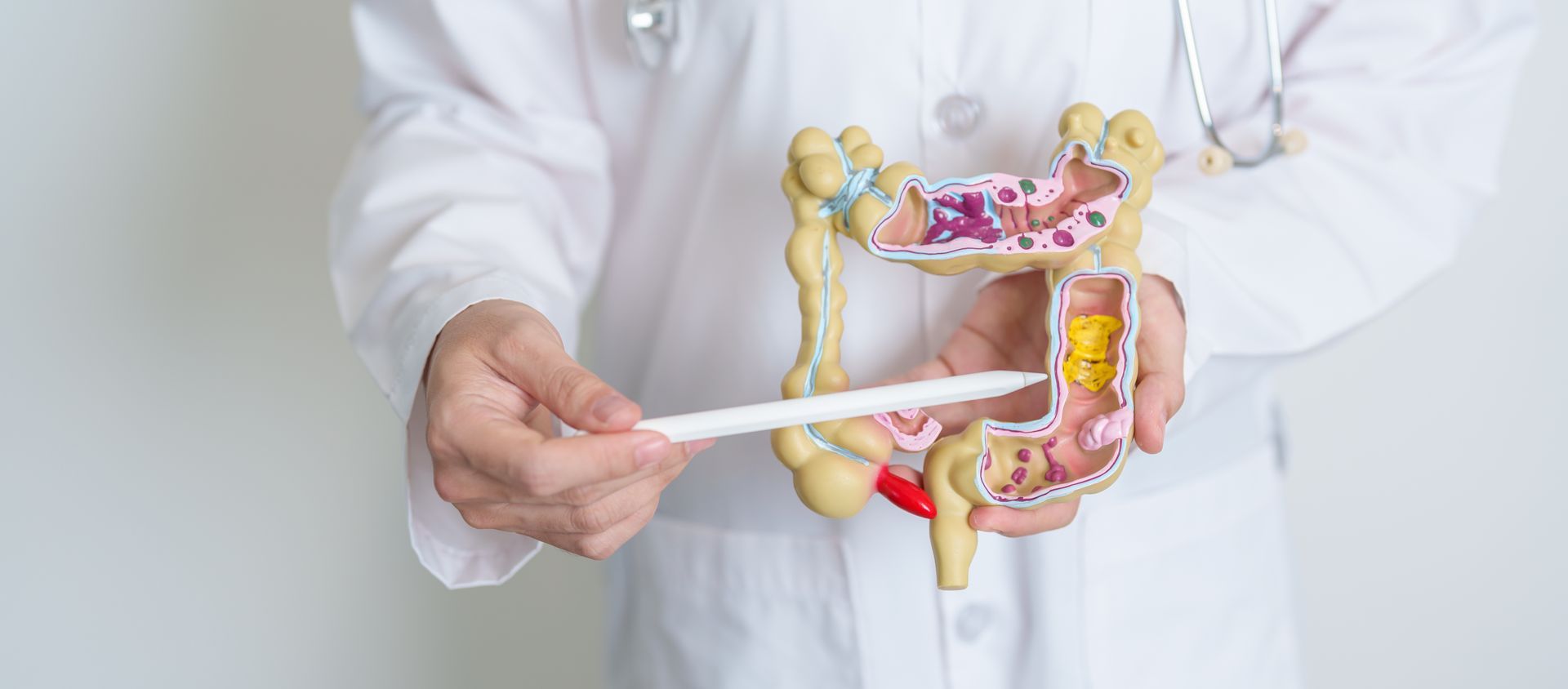
The first thing I did was colon Hydrotherapy. Colon Hydrotherapy has been around for thousands of years. Dr. Harvey Kellogg a Gastrointestinal Surgeon and Dr. Bernard Jensen popularized cleansing in the last century. Dr. Kellogg did 20,000 surgeries and thought there had to be a better way. After setting up a Cleansing Clinic in Michigan he treated some 40,000 people and all but 2 avoided surgery. Dr. Bernard Jensen treated over 350,000 people on his ranch in California and he stated “If you want to get well you have to start with the bowel first.” Today Michael Gershon, M.D. has written a book called “The Second Brain”. This book is all about what the large intestine does for you every day. Healing truly starts from within.
I have been using a frequency machine called “Ondamed” for nearly two years. It uses pulse frequency to stimulate the body to heal. I have used it for numerous things on my own body. The web site at www.ondamed.net will tell you more. I noticed it had a preset program for teeth and jaw. I used this every other day during my trial and error to figuring out how to help stimulate healing in my tooth.
During this time I happened to find an old copy of a DVD interviewing Dr. Hulda Clark. Dr. Clark wrote the best selling book called “Heal yourself from all diseases”. I just happened to notice her talking of clostridium bacteria is a bacterium that infects the tooth. In this video she talks of brushing your teeth with Oil of Oregano. Careful here. Oil of Oregano is hot. Put just one drop on your finger and rub the tooth brush over the oil. I applied this to the gum and teeth in the area of my sore tooth. I actually got quite used to Oil of Oregano and it certainly is healthier than many of the toothpastes on the market today. I then had an epiphany. Does the Ondamed have a frequency for Clostridium? Yes it did 4 to be exact. I tested myself for 3 of the 4 and began applying the energy to the tooth.
Ok before some of you shut down about frequency machines and energy, let me ask you a question. Do you have energy in your body? Yes or Yes. Great so using certain frequencies to help stimulate the body to unblock any blocked energy is perfectly normal right. An Acupuncturist uses needles. The Ondamed uses frequency. So I dialed it in and applied.
I also increased my supplementation of three immune products I have found to be superb immune enhancers. Immune Formula, Cracked spore Reishi Max and AiE10 Ultra all products I have used with much success in the past.
A word about Cracked Spore Reishi Max. This product is a must for anyone with a low immune system. Reishi Max is found to help the body wake up the T-Cells. T-Cells are like a B-52 bomber. They kill off the bad cells.
I also used a Far Infrared, amethyst stone Biomat. Far Infrared energy is known to kill viral and bacterial and cancer cells without harming the good cells. The Biomat is a wonderful mat that gives your body a cellular level massage. I love how much energy I have after using it which is why I use it daily. In Japan they use the Biomat in hospitals in conjunction with cancer treatment.
I also used the T-Zone whole body vibration system. I used this to help drain my lymph’s and keep everything draining in my body to help remove the toxins.
The final addition to the healing modalities was an all juice diet. I juiced Carrots, celery, kale, beet, cucumber and an occasional apple. I drank about 2 quarts of juice daily. I did have eggs for my protein source. I also at Healthy cold pressed Xocai chocolate. Cold processed chocolate is only available from Xocai www.coolchocolate.biz . Chocolate is nature’s natural anti-inflammatory whole food. Some dentists have shared with me that they see a great improvement in their patients gum tissue and gingivitis bleeding. Who wants to argue with eating chocolate for health? I ate 3-5 pieces per day. This was the equivalent of eating 2 to 3 pounds of spinach in antioxidants.
My pain started subsiding immediately. Within 7 days I had no pain. I have felt so good on this diet that I have continued to stay with it. Although I have added some foods like chicken and ground beef to a few meals to add some variety I have never felt better. 8 simple things I did to save a tooth. I encourage everyone to incorporate these modalities into their life. Begin establishing your own wellness center in your home. If you want to try any of the modalities mentioned here or learn more contact Living Waters @208 378 9911
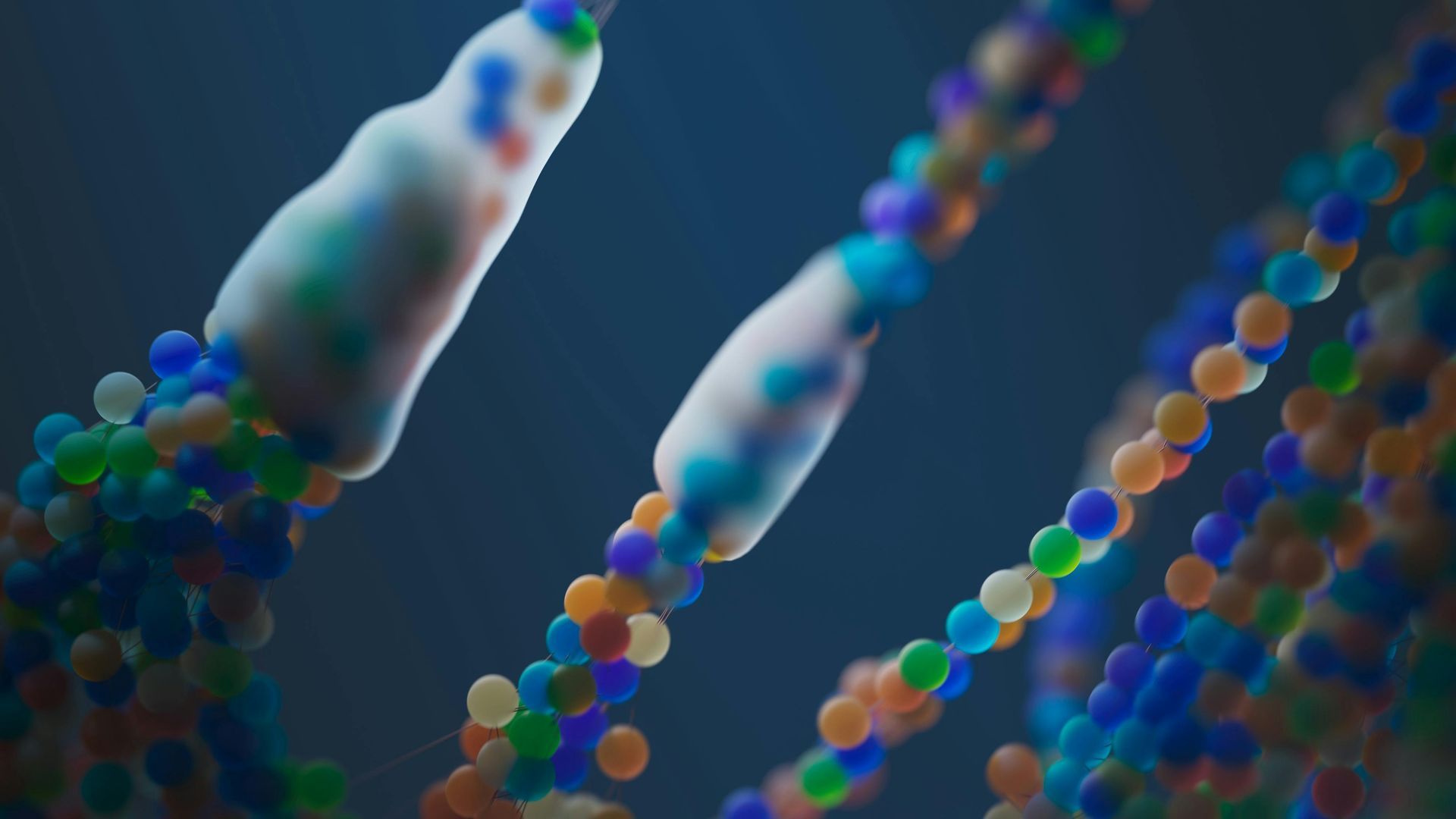
All disease stems from inflammation caused by one primary factor: toxins. These toxins originate from chemicals in our food, air, and water, as well as toxic thoughts that generate emotions contributing to disease. Inside every cell are tiny engines called mitochondria—the powerhouses where energy is produced. Some cells contain more mitochondria than others; for example, skin cells require less energy than heart or brain cells. To fuel these engines, we consume food. It is first broken down by stomach acids, then moves to the small intestine—a 25-foot-long organ—where digestion and absorption continue. Here, nutrients pass through villi (finger-like projections resembling shag carpet) into the bloodstream. However, if old, rotting food lingers too long in the intestines, it can cause tiny tears in the gut lining. Toxins from pesticides (e.g., glyphosate, atrazine), gluten, medications like NSAIDs, trans fats, sugar, and stress hormones (cortisol) can then leak through these breaches into the bloodstream. When foreign particles enter the blood, the immune system attacl‹s them. This is often called “leaky gut” and can lead to autoimmune conditions such as lupus or arthritis, bloating, IBS, diarrhea, constipation, food sensitivities, allergies, frequent infections, eczema, acne, psoriasis, brain fog, anxiety, depression, chronic fatigue, and joint pain. The blood becomes “mucked up” with debris. It diverts some toxins into tissues, where the lymphatic system attempts to clear them. The rest reaches the liver, which wraps toxins in bile for elimination or storage. If the liver is overwhelmed, toxins are stored in fat tissue. For those struggling to lose weight, this explains why: your body is protecting you by sequestering toxins in fat—far better than allowing them to accumulate in the brain (which is also fatty tissue!). Once nutrients reach the cells and enter the mitochondrial engines, “combustion” produces energy. But why doesn't everyone achieve optimal mitochondrial function? It's simple: just as a car engine needs a spark plug, clean fuel, and proper maintenance for combustion, your mitochondria require high-quality nutrients, vitamins, and minerals. If you're tired, lethargic, or diseased, it's because your cells lack these essentials— often from non-organic foods depleted of nutrients. Even organic produce today contains about 75% fewer nutrients than the same foods 60 years ago. You must supplement with high-quality vitamins and minerals (preferably chelated for better absorption) to keep your engines firing. Without them, the body activates an emergency plan: it “borrows” minerals from hair, nails, or bones to prioritize vital organs. This leads to thinning hair, brittle nails, or osteoporosis. Years later—perhaps 20—40 years down the line—you may face hip or knee replacements, cataract surgery, or other issues, all traceable to nutrient deficiencies. (See my related article on healing a torn meniscus naturally.) Take Action: Clean up your diet with organic, nutrient-dense foods. Take high-quality multi-vitamin/mineral supplements with chelated minerals. Heal your gut: Increase fiber intake and consider colon hydrotherapy to clear the intestinal tract. Monitor your bowel movements. If you're eating but not eliminating regularly, digested matter backs up, creating havoc in the colon and small intestine. For more details, listen to our podcast at www.wholebodvdetoxshow.com , Episode 250, available on all major platforms. Also at www.livinuwaterscleanse.com . David DeHa‹is is a Colon Hydrotlieriipist and Naturopatliic Health Couch. He and his team have been providing Colon Hydrotlieriipy and 10-Day Healing Retreats since 2009.
What do Cancer, Fibromyalgia, Auto Immune Function, Arthritis, Brain Fog, Parkinson's, ALS, MS, Tooth decay, Poor Eyesight, Depression, Anxiety, and all other ailments have in common?

When I tore my ACL and meniscus years ago, my body was depleted — low in minerals, vitamins, and overall vitality. I knew my health wasn’t where it needed to be.

Your body is always talking to you — are you listening? When you notice things like tumors, cysts, polyps, hemorrhoids, fatty liver, swollen lymph glands, bad breath, body odor, very smelly stools, itchy scalp, hives, psoriasis, acne, a coated tongue, dark circles under the eyes, thinning hair or nails, or chronic constipation, it’s a clear message: 👉 Your body is overdue for a detox. Understanding the Warning Signs These symptoms are your body’s way of saying its detoxification pathways are overloaded. The main pathways include the colon, small intestine, kidneys, liver, and skin. It’s easy to focus only on the symptom — removing a cyst or polyp, for example — but if the root cause (toxicity) isn’t addressed, your body may create another issue elsewhere. In some cases, small fragments or “roots” from a polyp or tumor can even travel through the blood or lymphatic system to other organs. Over time, if you don’t clean up your diet and detox your system, these warning signs can keep coming back. Prevention is always easier than cure. Think of these symptoms as your body’s internal dashboard lights — when they start blinking, it’s time to take action. 12 Steps to Detox Your Body 1. Acupuncture – Helps realign and balance the body’s energy flow. 2. Emotional Release – Let go of stored emotional trauma with a skilled coach or therapist. Emotional healing is physical healing. 3. Chiropractic Care – Keeps your structure in alignment so energy and fluids can flow properly. 4. Energy Work – Practices like Reiki, EFT, or Ondamed frequency therapy support the body’s energetic balance. 5. Hydration – Drink plenty of clean water daily to help your body flush toxins. 6. Juicing – Invest in a quality juicer and flood your cells with fresh, living nutrients for repair and renewal. 7. Nutritional Supplementation – Use high-quality supplements to fill in the nutritional gaps and fuel your cellular engines. 8. Far Infrared Therapy – Detox deeply; up to 20% of sweat from far infrared saunas contains toxins, compared to just 2% in traditional steam saunas. 9. Lymphatic Movement – You have about 45 pints of lymph fluid and up to 800 lymph nodes! Keep them moving with walking, rebounding (mini trampoline), or vibration therapy. 10. Cleanse the Blood – Enzyme therapy and liver flushing are powerful ways to purify and restore vitality. 11. Sound Therapy – Healing frequencies and crystal bowls help realign your body’s natural energy rhythms. 12. Colon Hydrotherapy – Your 35 feet of intestines have the surface area of a tennis court — and many people carry 12–15 pounds of old waste! Clearing the colon enhances every other detox step. Final Thoughts Don’t ignore the “check engine” lights on your body’s dashboard. When you notice these warning signs, take action — open those detox pathways and support your body’s natural ability to heal. Your body is designed to thrive. All it needs is the right support to do what it does best.
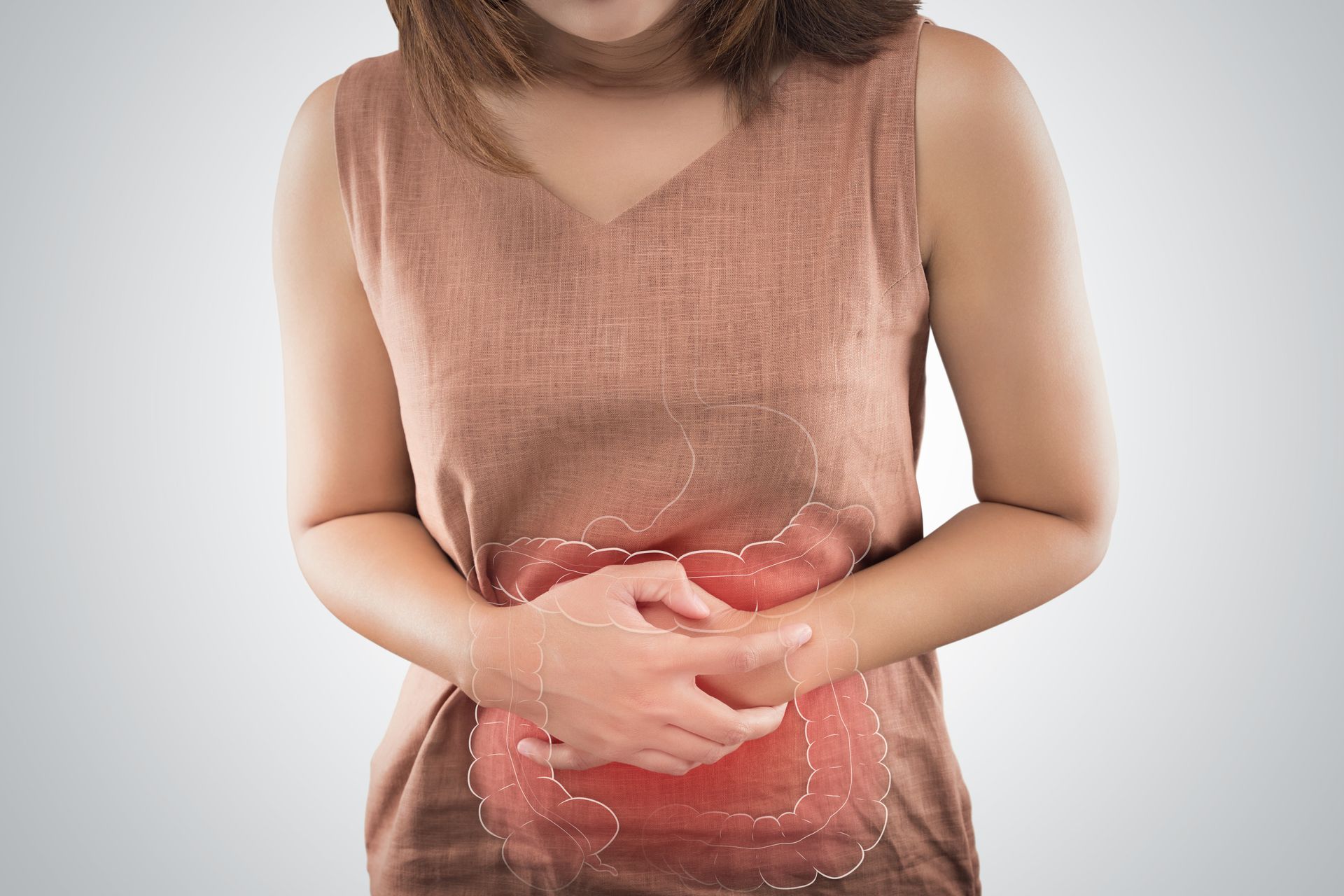
Your body is always talking to you — are you listening? When you notice things like tumors, cysts, polyps, hemorrhoids, fatty liver, swollen lymph glands, bad breath, body odor, very smelly stools, itchy scalp, hives, psoriasis, acne, a coated tongue, dark circles under the eyes, thinning hair or nails, or chronic constipation, it’s a clear message: 👉 Your body is overdue for a detox. Understanding the Warning Signs These symptoms are your body’s way of saying its detoxification pathways are overloaded. The main pathways include the colon, small intestine, kidneys, liver, and skin. It’s easy to focus only on the symptom — removing a cyst or polyp, for example — but if the root cause (toxicity) isn’t addressed, your body may create another issue elsewhere. In some cases, small fragments or “roots” from a polyp or tumor can even travel through the blood or lymphatic system to other organs. Over time, if you don’t clean up your diet and detox your system, these warning signs can keep coming back. Prevention is always easier than cure. Think of these symptoms as your body’s internal dashboard lights — when they start blinking, it’s time to take action. 12 Steps to Detox Your Body 1. Acupuncture – Helps realign and balance the body’s energy flow. 2. Emotional Release – Let go of stored emotional trauma with a skilled coach or therapist. Emotional healing is physical healing. 3. Chiropractic Care – Keeps your structure in alignment so energy and fluids can flow properly. 4. Energy Work – Practices like Reiki, EFT, or Ondamed frequency therapy support the body’s energetic balance. 5. Hydration – Drink plenty of clean water daily to help your body flush toxins. 6. Juicing – Invest in a quality juicer and flood your cells with fresh, living nutrients for repair and renewal. 7. Nutritional Supplementation – Use high-quality supplements to fill in the nutritional gaps and fuel your cellular engines. 8. Far Infrared Therapy – Detox deeply; up to 20% of sweat from far infrared saunas contains toxins, compared to just 2% in traditional steam saunas. 9. Lymphatic Movement – You have about 45 pints of lymph fluid and up to 800 lymph nodes! Keep them moving with walking, rebounding (mini trampoline), or vibration therapy. 10. Cleanse the Blood – Enzyme therapy and liver flushing are powerful ways to purify and restore vitality. 11. Sound Therapy – Healing frequencies and crystal bowls help realign your body’s natural energy rhythms. 12. Colon Hydrotherapy – Your 35 feet of intestines have the surface area of a tennis court — and many people carry 12–15 pounds of old waste! Clearing the colon enhances every other detox step. Final Thoughts Don’t ignore the “check engine” lights on your body’s dashboard. When you notice these warning signs, take action — open those detox pathways and support your body’s natural ability to heal. Your body is designed to thrive. All it needs is the right support to do what it does best.
At Living Waters Wellness Center, we’ve worked with countless clients over the past 12 years — and we’ve noticed consistent patterns among those facing cancer and other chronic illnesses. The good news? Once you understand what’s really going on inside the body, you can take powerful steps toward healing and prevention. Here are the five most common things we see in people with cancer — and what you can start doing about them right now. 1. An Acidic Body Every client we’ve tested over the years has shown signs of acidity. An acidic environment weakens the body’s ability to heal and creates a breeding ground for disease. The fix: Simply drinking alkaline water won’t shift your internal pH. Real change happens through fresh, raw fruits and vegetables and cleansing the body at a cellular level. 2. Fungus, Yeast, and Candida Overgrowth If you have heavy metals, you almost certainly have yeast. One of the biggest contributors? Silver or gold amalgam fillings that release mercury into the body. Yeast acts as a short-term defense mechanism to protect you from mercury toxicity, but it also creates new problems — including fatigue, brain fog, itching skin, sugar cravings, and even cancer-promoting environments. During colon hydrotherapy, many clients actually see stringy white yeast exit the body. Reducing yeast means cutting sugar and cleansing deeply — not just masking symptoms like “hormone imbalance” or “chronic fatigue.” 3. Parasites As Dr. Hulda Clark stated, “If you want to get rid of cancer, get rid of the parasites. You will be in remission as soon as you start.” An acidic body is the perfect home for parasites. We’re exposed daily — through sushi, pork, pets, and even people. These unwanted guests can drain energy, block nutrient absorption, and trigger immune dysfunction. The fix: Regular parasite cleanses and colon hydrotherapy sessions help flush these organisms out and keep your body’s terrain clean and balanced. 4. Trapped Emotions One of the most overlooked contributors to cancer is emotional toxicity. Ongoing anger, resentment, fear, or grief can manifest physically and suppress the immune system. During colon hydrotherapy, many clients experience emotional releases as old waste — and old energy — leaves the body. It’s one of the most powerful opportunities to let go, both physically and emotionally. 5. Toxic Overload There are over 80,000 registered chemicals in our environment today. One of the most dangerous is glyphosate, the active ingredient in Roundup. It’s sprayed on most conventional crops — wheat, soy, corn, alfalfa, and more — and is nearly impossible to avoid unless you eat organic foods grown on truly clean soil. Dr. Don Huber, PhD, explains the devastating effects of glyphosate on human health in our Whole Body Detox Show (May 30 and June 6 episodes). You can listen on KIDO Talk Radio 580 AM / 107.5 FM or find the replay on our podcast (June 7 episode). The Good News: Your Body Knows How to Heal The body is miraculous — when you deep cleanse physically, mentally, and emotionally, it can restore balance and vitality. Our Living Waters 10-Day Healing Retreat is designed to do exactly that. Using a 35-step process, we help your body clear toxicity, reset digestion, and release stored emotions so you can thrive again. 👉 Learn more at www.4NaturalLawsofHealing.com
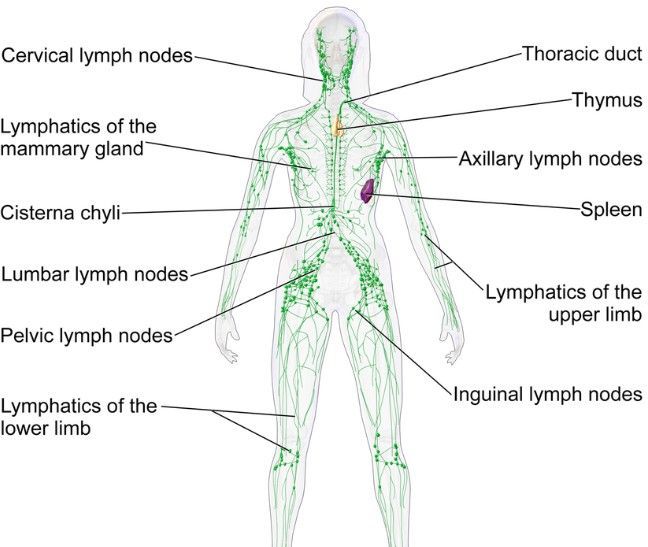
By David DeHaas When people think about detoxification, they often think of the liver, kidneys, or colon. But there’s one vital system that’s often overlooked — and yet it plays a central role in how your body removes toxins every single day. That system is your lymphatic system. What the Lymphatic System Does The lymphatic system is a vast network of tissues, vessels, and organs that helps rid the body of toxins, waste, and unwanted materials. Imagine the tissues of your body releasing cellular debris — something has to carry that waste away. That’s the job of your lymphatic system. It’s made up of 600 to 700 lymph nodes connected by tiny vessels that move lymph fluid, which contains infection-fighting white blood cells. In total, the human body carries about 45 pints of lymph fluid — compared to only 10–12 pints of blood. Unlike blood, however, the lymphatic system doesn’t have a heart to pump it. Instead, it depends on movement and muscle contractions to keep things flowing. You can think of your lymph nodes like tiny toilets — they only flush when you move! That’s why activities like jumping on a rebounder, using a vibration plate, or even brisk walking can dramatically improve lymph flow. Why Lymphatic Congestion Matters The lymphatic system’s primary role is to transport lymph — the fluid that carries away waste and helps your immune system fight infection. When this system becomes sluggish or blocked, toxins build up in the tissues, leading to symptoms that are often misdiagnosed as unrelated issues. You may have lymphatic congestion if you experience: Swelling in the hands, feet, or ankles Water retention Muscle or joint stiffness (especially upon waking) Fatigue or low energy Itchy skin or unexplained rashes Fibromyalgia Cellulite Sore throat or recurring tonsillitis Swollen glands or lymph nodes Over time, stagnant lymph fluid can create a toxic internal environment. When this waste can’t properly drain, it eventually moves toward the heart via the superior vena cava, entering the bloodstream and overloading the liver — which can contribute to fatty liver and systemic toxicity. How to Keep Your Lymphatic System Flowing Supporting lymphatic health doesn’t have to be complicated. With consistent care, you can dramatically improve your body’s natural detoxification capacity. Here are some simple, effective ways to get started: Drink plenty of pure water – Hydration is essential for lymph flow. Move your body daily – Exercise, stretching, or even gentle bouncing on a vibration plate or trampoline stimulates lymph movement. Get regular lymphatic massage – Manual lymph drainage helps clear blockages and move fluid through the system. Cleanse your liver and colon – A congested liver or colon can back up toxins into the lymph. Try colon hydrotherapy – The average person carries 12–15 pounds of old waste in the colon. If this waste isn’t cleared, toxins continue to circulate through the lymphatic system, stressing your immune and detox pathways. The Bottom Line If the colon is dirty, the lymph will be toxic too. Without cleansing, that stagnant sludge can eventually collect in a lymph node and become a serious problem down the road. It’s far easier — and far wiser — to be proactive rather than reactive. Regular cleansing and lymphatic support are essential steps toward maintaining a vibrant, resilient, and detoxified body. At Living Waters Wellness Center, we guide clients through comprehensive cleansing programs designed to support every level of detox — physical, emotional, and cellular. 👉 Learn more about our cleansing programs at www.4NaturalLawsofHealing.com
If Your Liver Could Talk… The liver is a fascinating organ, made up of 50,000 bile ducts tasked with filtering the blood and performing over 2,000 essential functions every single day. If you’ve been diagnosed with a thyroid or hormone issue, it’s important to ask: Why? Why are my hormones off? Why isn’t my thyroid functioning properly? More often than not, the root cause points to a toxic liver. Walk through the liver of the average person today, and you’d likely encounter heavy metals, pathogens, neurotoxins, and parasites. With over 80,000 chemicals in the average body, the liver carries a tremendous burden. But the liver isn’t working alone—its toxicity usually stems from toxic blood , which comes from a toxic lymphatic system , which in turn is often caused by toxic bowels. When discussing symptoms with clients, our first question is always: “ How do you poop? ” How often? How much? What does it look like? Is it hard like rabbit pellets, or large and irregular like a cow pie? Does it smell ? What color is it?' What we almost always find is a bowel problem. If your body isn’t efficiently eliminating the remains of recent meals—or worse, meals from several days ago—you develop a toxic lymphatic system , which in turn leads to toxic blood . Many practitioners have turned to coffee enemas as a quick fix. But dumping toxic bile from the liver into an overcrowded bowel can backfire. Think of it like trying to empty a stadium of 100,000 people through a single 3-foot doorway already backed up with people—your liver’s toxins can get trapped and recycled back into your body , potentially making you feel worse. The truth is, you may blame your thyroid or hormones, and eventually the liver—but often, the bowels were the first problem all along. It’s not just hormone or thyroid symptoms that can frustrate you— brain fog, depression, and anxiety can also be signs of this deeper underlying issue. Start with proper bowel cleansing , and your liver—and in turn your hormones and thyroid—will thank you.
Rhonda came to Living Waters Wellness Center struggling with severe health issues that affected every aspect of her life. She suffered from brain fog, persistent allergies, nosebleeds, and extreme fatigue. Parasites had even affected her face, leaving her eyes dark and swollen, giving the appearance of being bruised. When she blew her nose, parasites would sometimes come out. Despite visiting a general doctor and an ear, nose, and throat specialist—and even bringing samples—her concerns were dismissed. The struggle made it difficult for her to focus on work, and getting out of bed each morning felt impossible. On top of that, Rhonda experienced hair loss, hip problems that prevented her from sitting cross-legged for seven years, and constant trips to the chiropractor without relief. She had also undergone surgery to remove a tumor attached to a nerve in her arm, which caused numbness in her hands. Determined to take control of her health, Rhonda registered for the 10-Day Healing Retreat at Living Waters Wellness Center. The results were remarkable: Parasites were eliminated. Her energy levels increased dramatically. Brain fog lifted—she could think clearly again. Swelling and dark circles around her eyes disappeared. She regained the ability to sit cross-legged, something she hadn’t been able to do in years. Joint pain improved significantly. Feeling returned to her hands. Rhonda achieved this transformation through a combination of colonics, PEMF therapy, Far Infrared therapy, parasite and liver cleanses, lymphatic detox, energy healing, supplements, and other tools, all guided by the 4 Natural Laws of Healing. Discover Rhonda’s full story on our podcast: Episode #106 at Whole Body Detox Show .

A client came in recently with a long list of symptoms: brain fog, joint pain, frequent nighttime urination, carbohydrate cravings, chronic fatigue—the works. And then she said, “I’m actually pretty healthy for my age.” What?? If you can’t think clearly, sleep well, hike, or play with your kids, how is that “healthy”? The truth is, many people compare their health to others in their age group. But if your barometer is “other sick people,” that’s the wrong measure of wellness. What Does “Normal” Really Mean? Do you want to: Hike mountains? Ski hard runs? Ride bikes or dirt bikes? Play basketball with your kids or grandkids? Think clearly, feel strong, and wake up energized? That’s the life you can live. But first, you need to redefine “normal.” Take Jack LaLanne, often called the godfather of fitness. He thrived into his 90s and set the standard for what should be considered normal. Or consider the Hunza Valley in Pakistan. In the 1960s, Dr. Bernard Jensen visited this remote community, where people lived long, vibrant lives. They grew their own food, avoided sugar and processed foods, and many were still farming at age 120—with all their teeth intact. But in the 1970s, a road was built into the valley, bringing processed food, sugar, and oils. Within a short time, their health declined—cavities, joint pain, brain fog, cancer, and all the “modern” illnesses arrived. Sound familiar? America: Sick but “Advanced” Despite all our “state-of-the-art medicine,” the United States is one of the sickest nations on earth. But it doesn’t have to be that way. You can choose your normal. You can live your best life. You can find your own heaven on earth—starting now. The 4 Natural Laws of Healing When our clients follow The 4 Natural Laws of Healing, they eliminate toxins, reduce inflammation, and reclaim their vitality. Again and again, we’ve seen how deep tissue cleansing—especially with colon hydrotherapy—helps remove what the body can’t eliminate on its own. The result? Less inflammation, more energy, clearer thinking, and the freedom to truly live. 👉 Don’t settle for “pretty healthy for your age.” Choose vibrant health. Choose your heaven on earth.